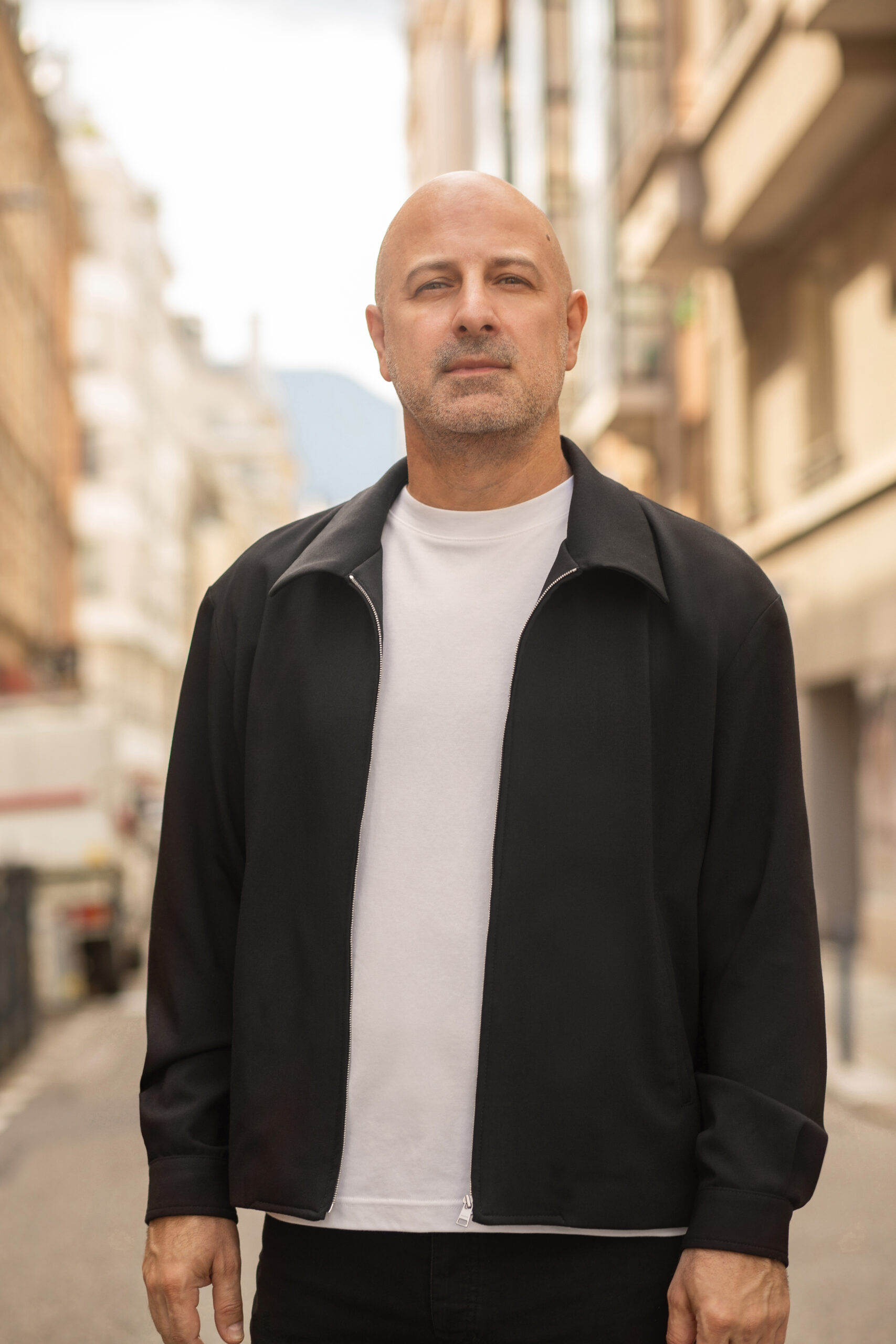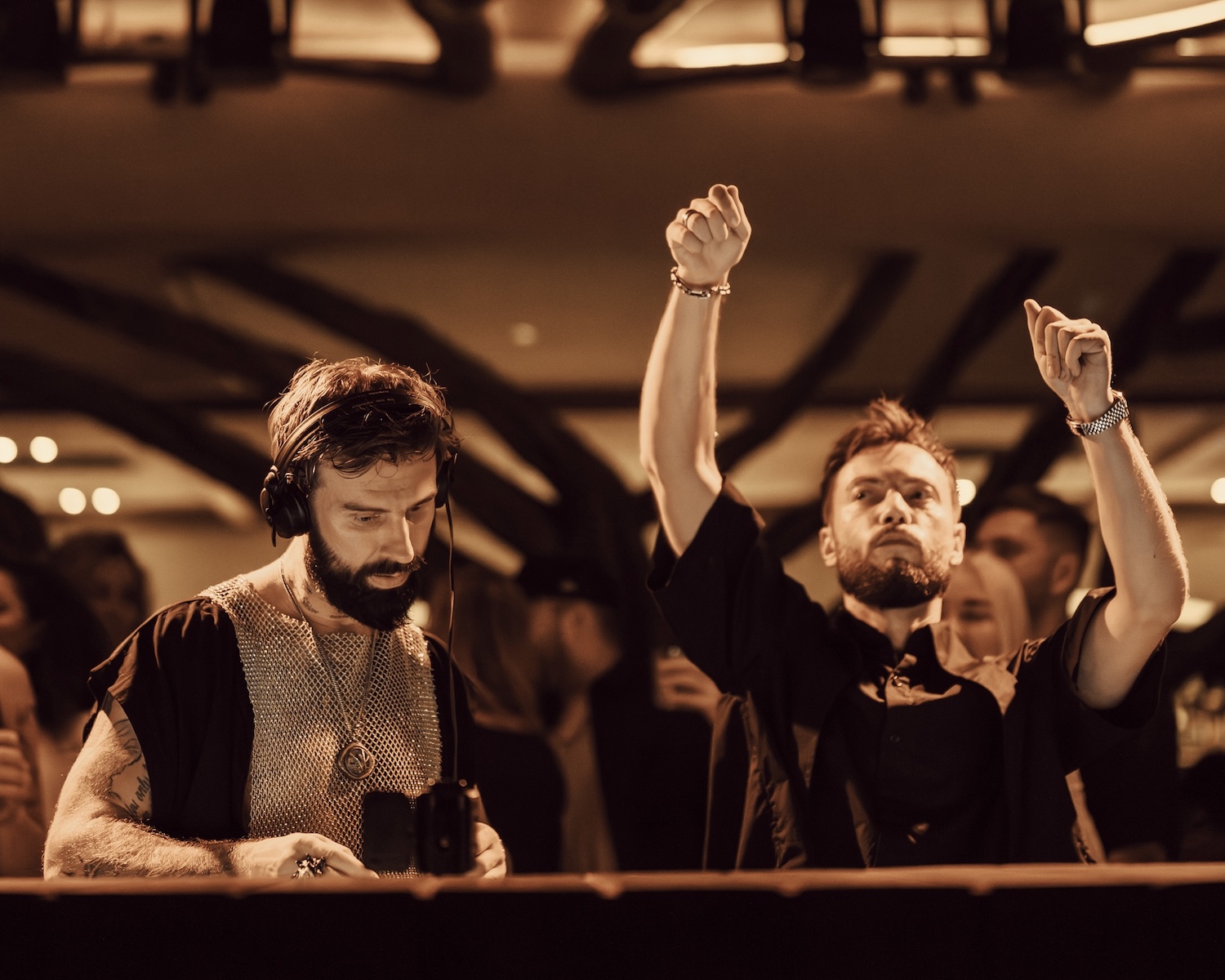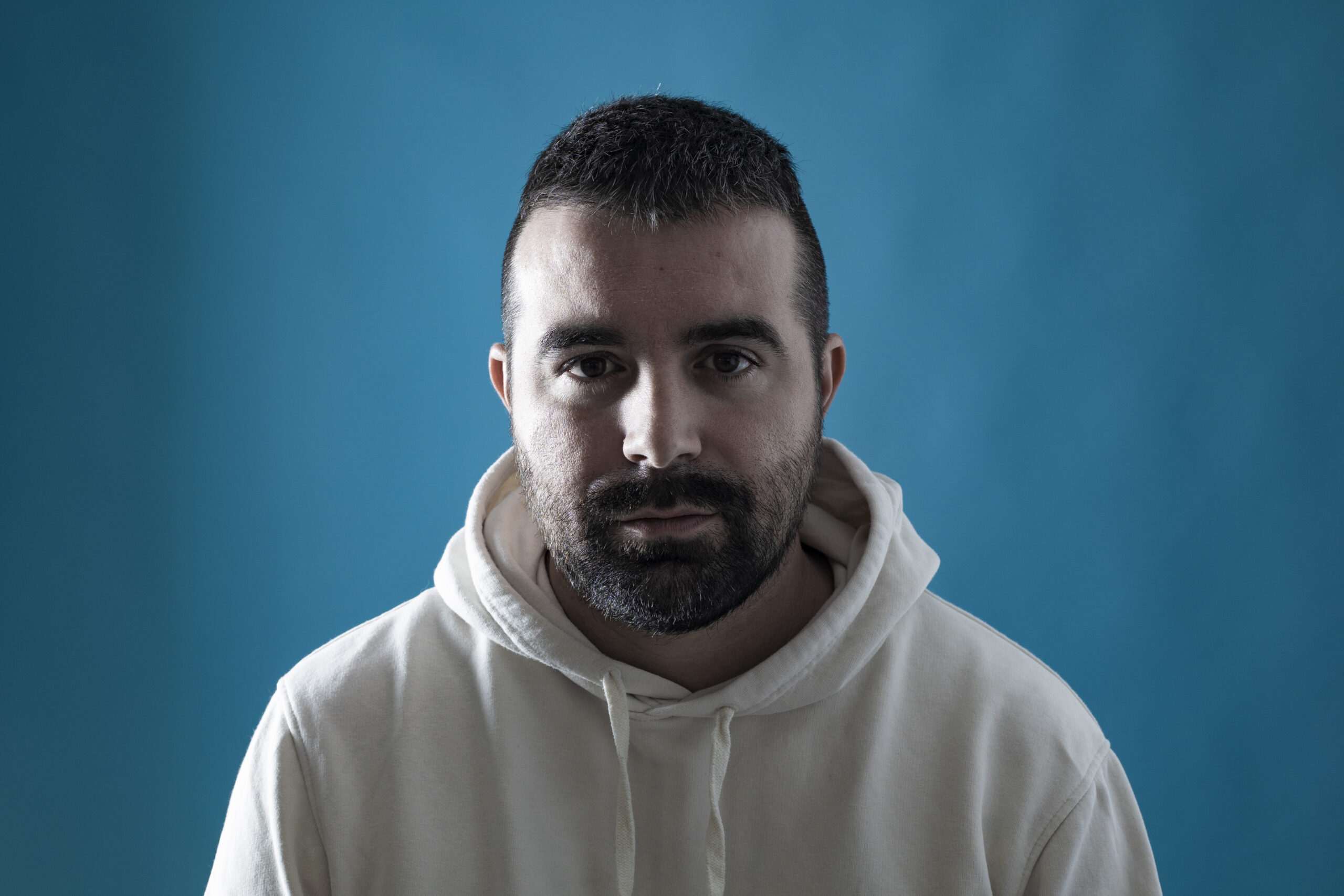


“You’ve got to keep showing up and honing your sound” HASKELL interview
HAKSELL has been steadily shaping his identity as a producer, channelling his love of rhythm, groove, and discipline into
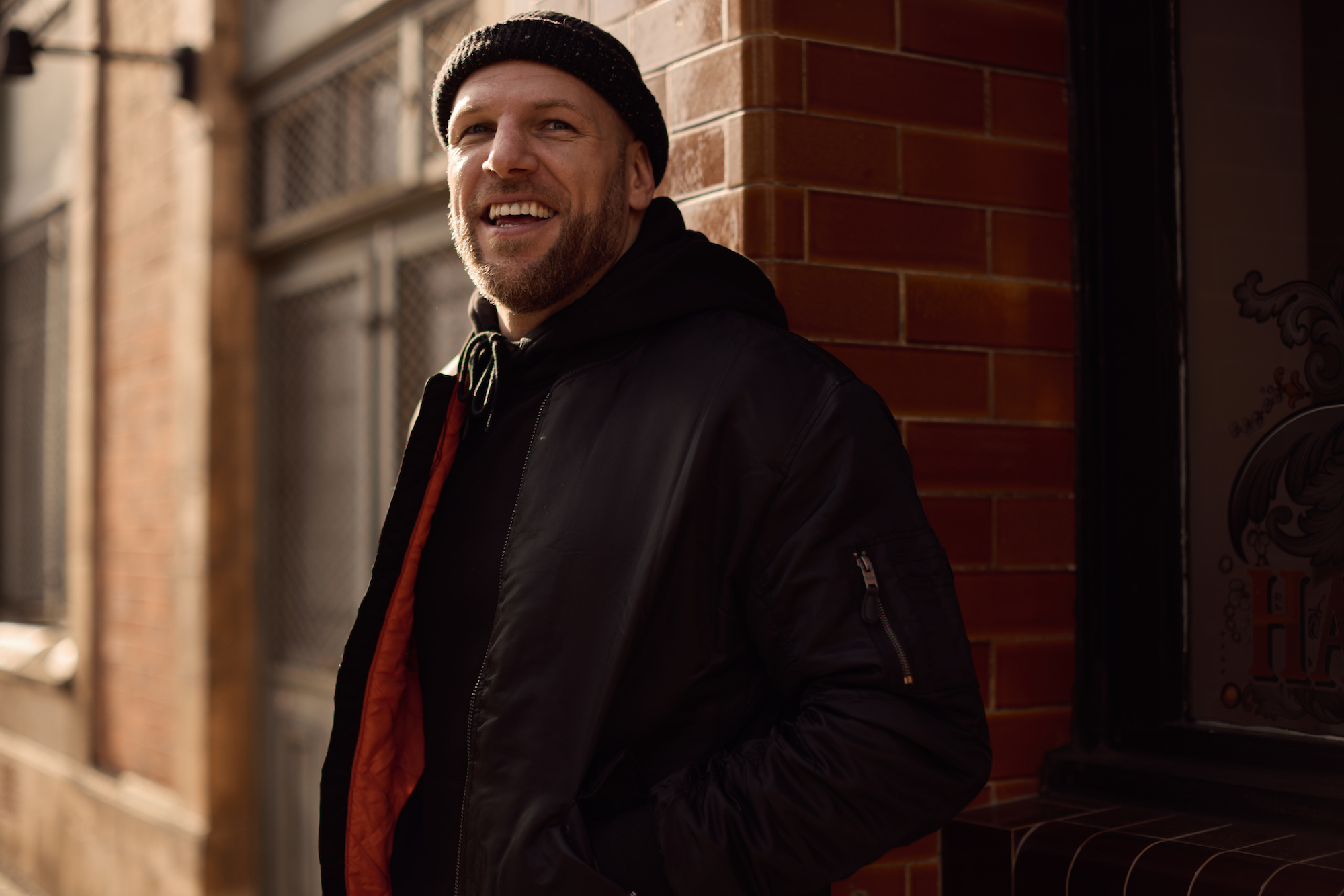
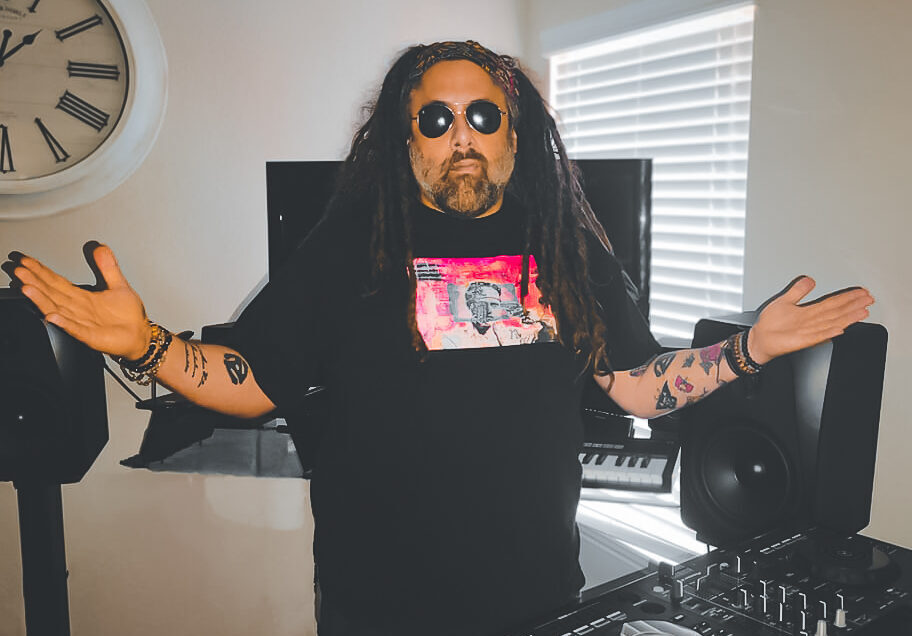
HAKSELL has been steadily shaping his identity as a producer, channelling his love of rhythm, groove, and discipline into a sound that feels distinctly his own. His new single, Shake That, marks a key step in that process, drawing on the energy of 90s and 80s rave culture while refining the direction he’s been building over recent releases.
We caught up with him to talk about the track, the balance between progression and focus, and the influences that continue to drive his approach.
Shake That taps into Toolroom’s late-noughties sound. How did you balance referencing that era while keeping it fresh for today?
Shake That really came about because I wanted to nail my sound, the sound that feels true to me. The 90s were a huge inspiration, along with the 80s. Those big rave tunes everyone goes back to, the ones being sampled constantly today, all come from that era. For me, it was about the vocal, the synth, the rhythm, and that mix of skippiness and power that gave the record its identity. It sat really well with the rest of the music I’ve been making. I knew I was onto something when I played it to Mark Knight. Thirty seconds in, he said, “Bang, I want it.” That was a big moment.
You’ve spoken about wanting to push into more experimental territory. How do you see the house scene evolving right now, and where do you want to sit within that?
It’s a tricky balance. You always want to push yourself, but at the same time you’ve got to refine your lane and own it. There’s no point trying to be everything. You need to be the best version of yourself as a tech house artist. That means applying yourself, repeating, refining, and building a sound that becomes synonymous with who you are. For me, each record is a progression of my journey, not just an experiment. It’s easy to get sidetracked, but if you want to be the best, you’ve got to keep showing up and honing your sound.
Working with Mark Knight and Gene Farris gave you valuable experience. How did that collaboration shift the way you approach your own productions now?
Mark Knight has been a massive influence, not just musically but also in terms of mindset. He’s no-nonsense, hardworking, and has stayed at the top for so long. We connect over our shared love of sport, dedication, and discipline. Gene Farris is another huge inspiration. His ability as a vocalist, artist, and DJ is second to none. He’s got such a distinct vibe, and I’d love to work with him more. In fact, I’m hoping to do another project with him soon.
You’ve often linked your sporting background to DJing. How does that discipline and crowd awareness shape your sets today?
Crowd awareness is the most important thing for any DJ. It doesn’t matter how many decks you use or what tricks you’ve got up your sleeve. If you’re not picking the right tunes for the crowd, you’ll fall short. That’s been one of my frustrations: sometimes the gigs I get booked for don’t fit the music I make, which can be tough. You can drip-feed your own tracks once you’ve got the crowd’s trust, but you have to read the room first. Technical ability is always second to track selection.
Toolroom has a reputation for blending heritage with forward-thinking. How do you think the label is positioning itself in the current climate, and what role do you want to play in that?
Toolroom just keeps evolving and doing what it does best. Winning Beatport’s top-selling tech house label of the year multiple times shows they’ve got it nailed. While others get caught up chasing trends or trying to be seen as “cool,” Toolroom just puts out great music, promotes it properly, and works with the right people. Mark’s A&R ear and the team’s consistency are outstanding, and they’ve got a no-dickhead policy, which really shows.
There’s a lot of talk about saturation in house music. As someone relatively new to the scene, how do you make sure your sound cuts through?
It’s never been easier to make music, but it’s still not easy to make good music. The answer is consistency. Keep showing up, keep putting out records, and focus on your own lane. Take inspiration from others, but don’t copy. Find your own vibe and refine it. That’s how you’ll stand out and succeed.
You’ve said your daughter inspires your work. Can you share how personal life finds its way into your tracks or performances?
I named the track Bodhi after my daughter. She’s only three but full of energy and life. She’s also my harshest critic. If I play her a track, she’ll say, “Daddy’s song, I like it,” or just as quickly, “No, I don’t like it.” The other day, she asked for Shake That instead of Taylor Swift, so I guess she keeps me grounded.
With releases like The Power of Speech and now Shake That, what do you see as the next step for you—musically or in terms of where you want to play?
I’ve got three more records dropping before the end of the year, on a mix of labels I’ve worked with before and some new ones. There’s a big collaboration with Mossman coming, as well as a project with Dope Earth Alien. I’ve also got a track coming out on Alianza. But the biggest step forward is launching my own label in January. That’s going to give me more control over my music and my career, and really take things to the next level.
Shake That is out now on Toolroom. Follow HASKELL on Instagram here