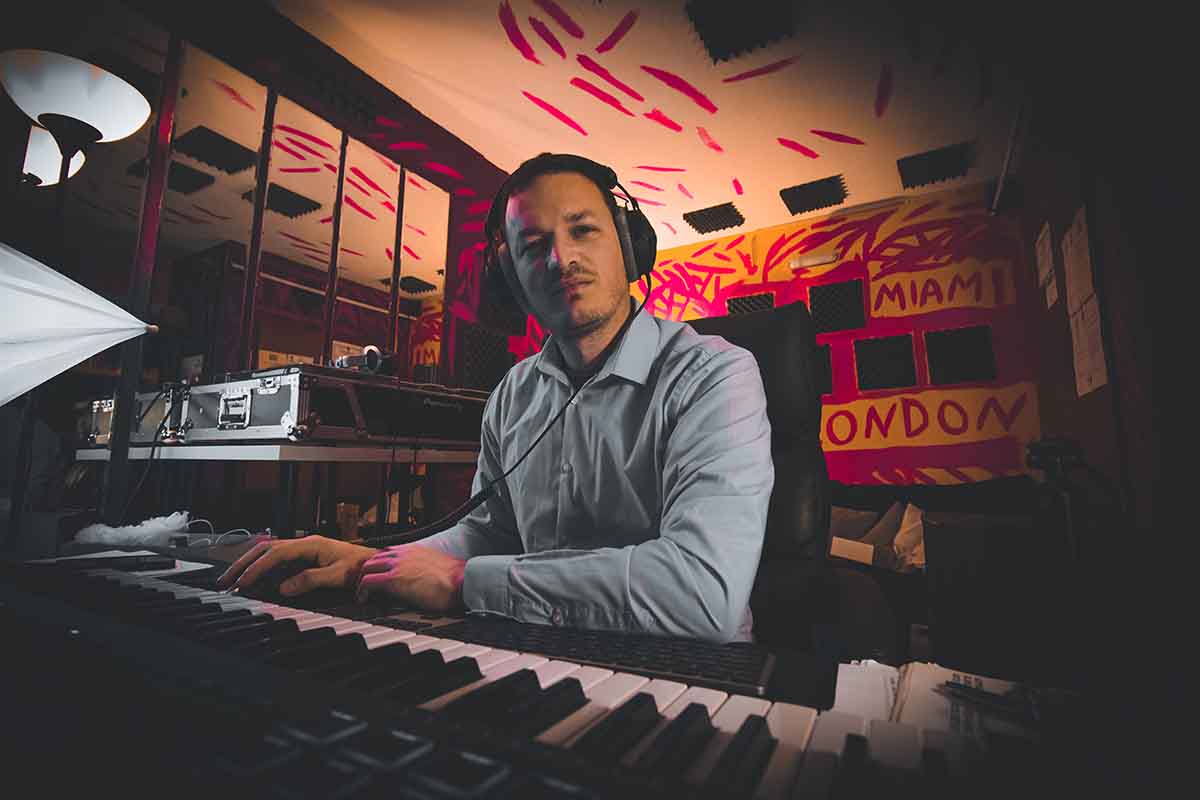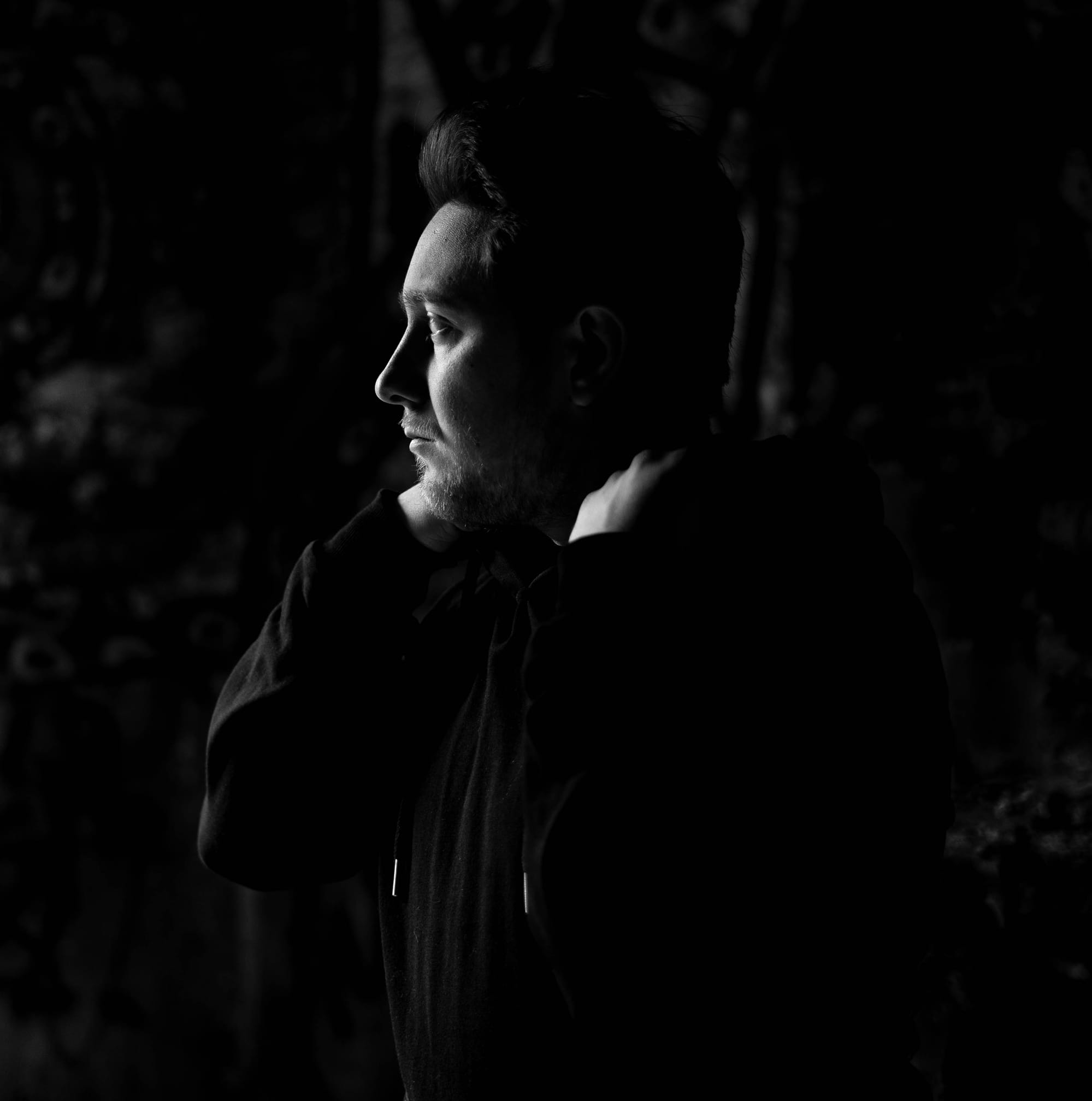
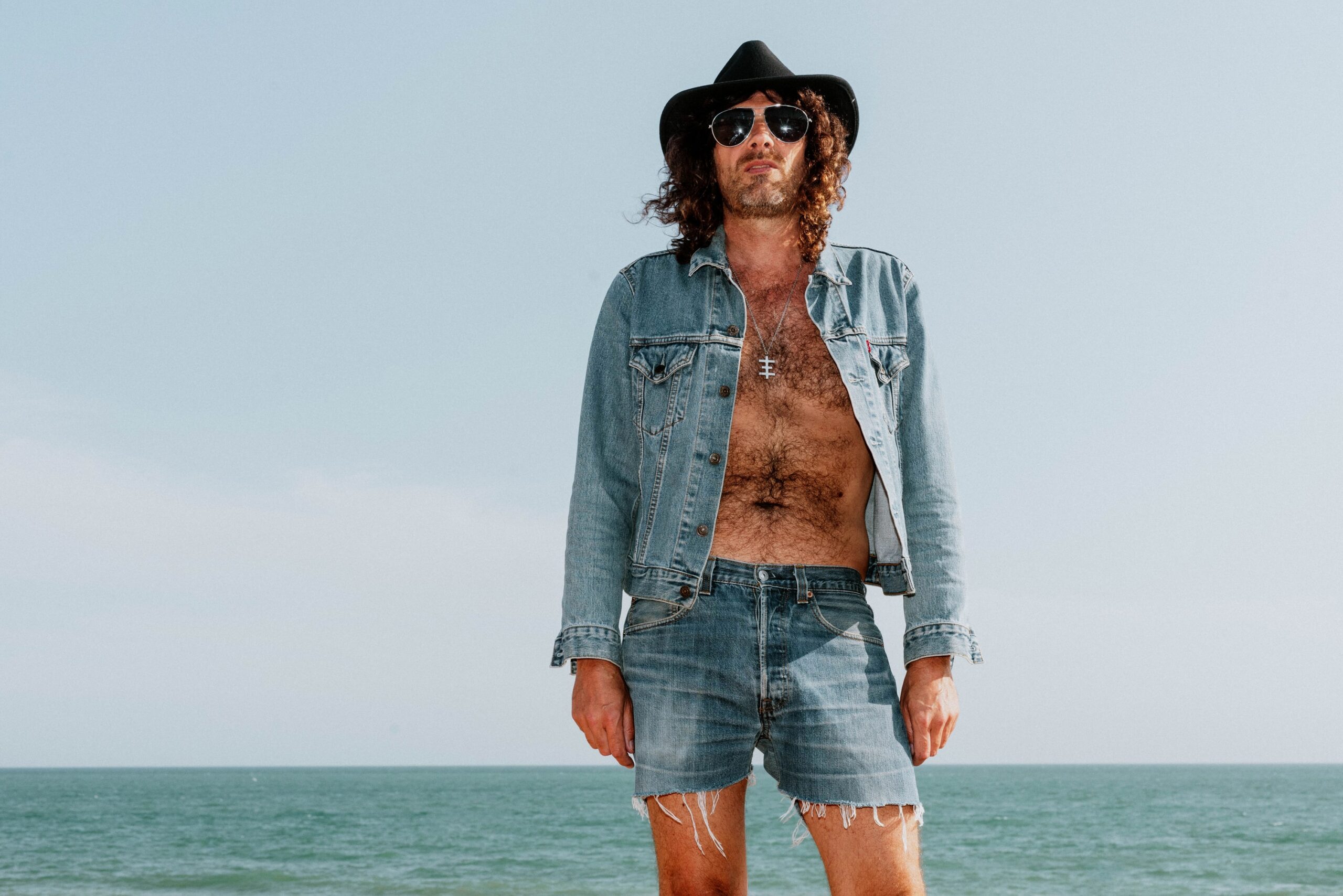
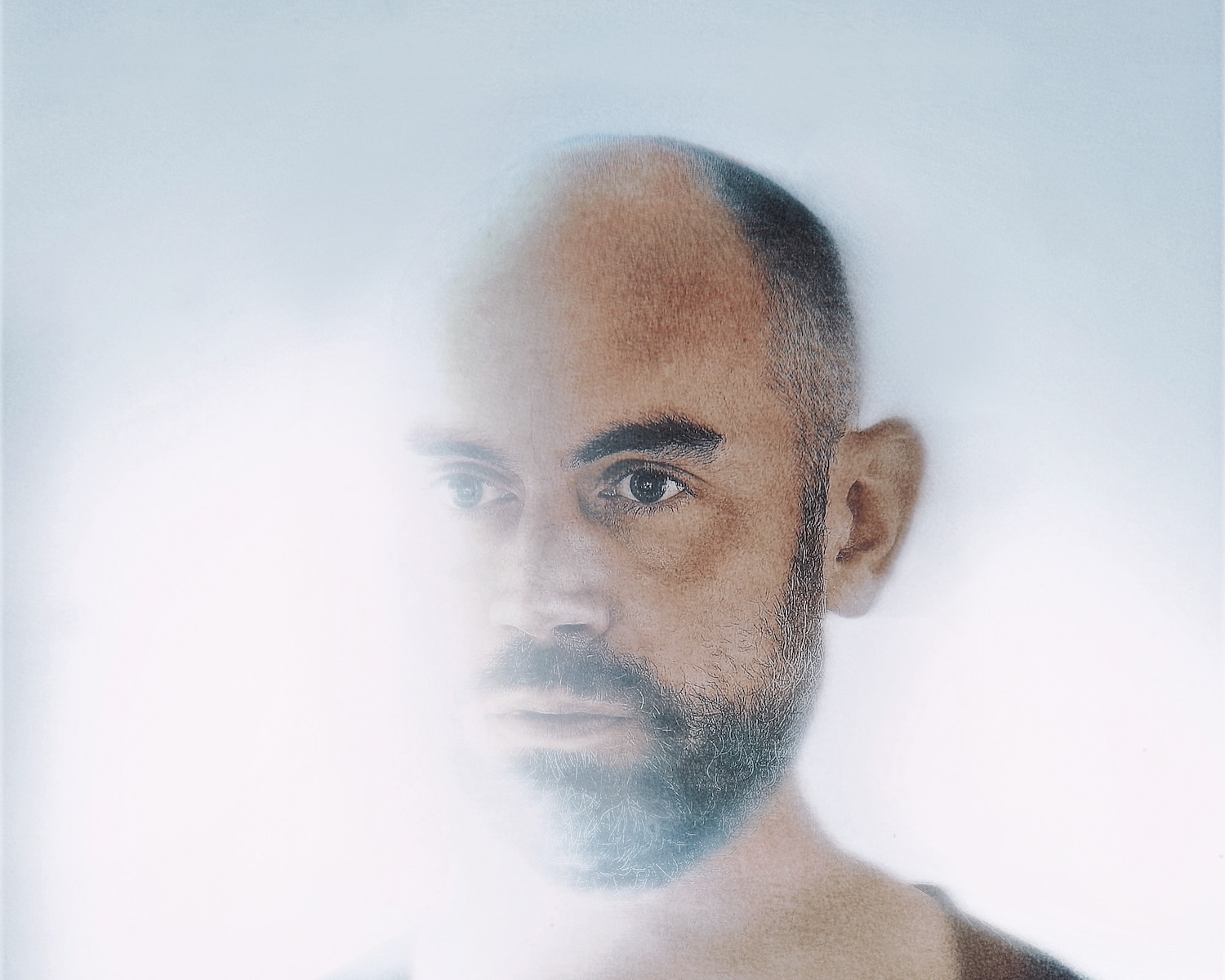

“The best ideas usually sneak in when I stop trying” MF Quinn interview
Some tracks are built for festivals. Others are made for smoke-hazed corners of the night. “Your Number One” by
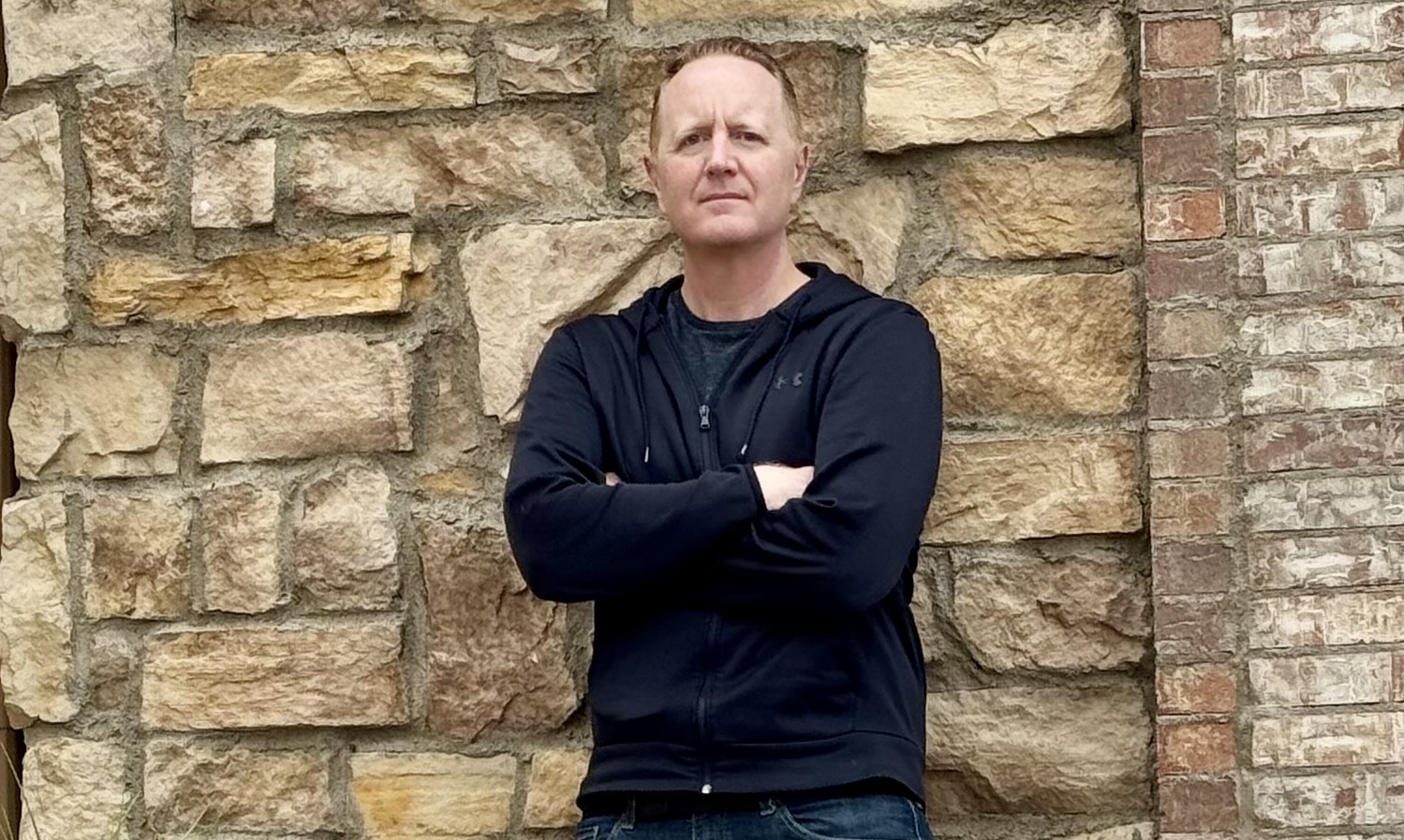
Some tracks are built for festivals. Others are made for smoke-hazed corners of the night. “Your Number One” by MF Quinn falls into the latter. It’s a stripped, groove-led cut with just the right mix of grit and swing, built for those locked-in warehouse moments when time slips and the room moves as one.
In this interview, Quinn talks about crate-digging vocals, chasing the perfect drop, and why he’d rather let ideas breathe than force a finish.
Your Number One sounds like it was made for a 3am warehouse party in Brooklyn. What kind of space were you imagining when you built it?
Thanks!I actually grew up in the San Francisco Bay Area, and I’ve always been drawn to the warehouse scene from back in the day—those gritty, DIY spaces with pounding sound systems and a real sense of freedom. That’s what I had in mind while making this track. It’s that late-night, bass-in-your-chest energy where everyone’s locked into the same groove. The kind of moment that feels outside of time, where the music and the people are all that matter.
Be honest, how many different versions of the drop did you go through before landing on the one that stuck?
At least five. I kept tweaking the rhythm and bass interaction—too much swing, not enough pressure, too clean, not gritty enough. Each version taught me something, but when I hit the final one, I knew. It locked in right behind the vocal and everything just gelled.
That vocal feels like something straight out of an old Chicago crate. Where did you find it, and how much work went into shaping it for the track?
That’s the magic of digging. I stumbled across the raw vocal in an old sample pack I’d been sleeping on. It had this timeless, soulful urgency. But it took a fair amount of EQ carving and some simple effects to make it ride the groove the way I wanted. I didn’t want it to feel pasted on—I wanted it to lead.
If the bassline in Your Number One walked into a house party, what kind of energy would it bring?
It’d be that quiet but confident guest who doesn’t say much—but the second they hit the dancefloor, everyone turns their head. Not flashy, but undeniable. It’s all about feel, not flash.
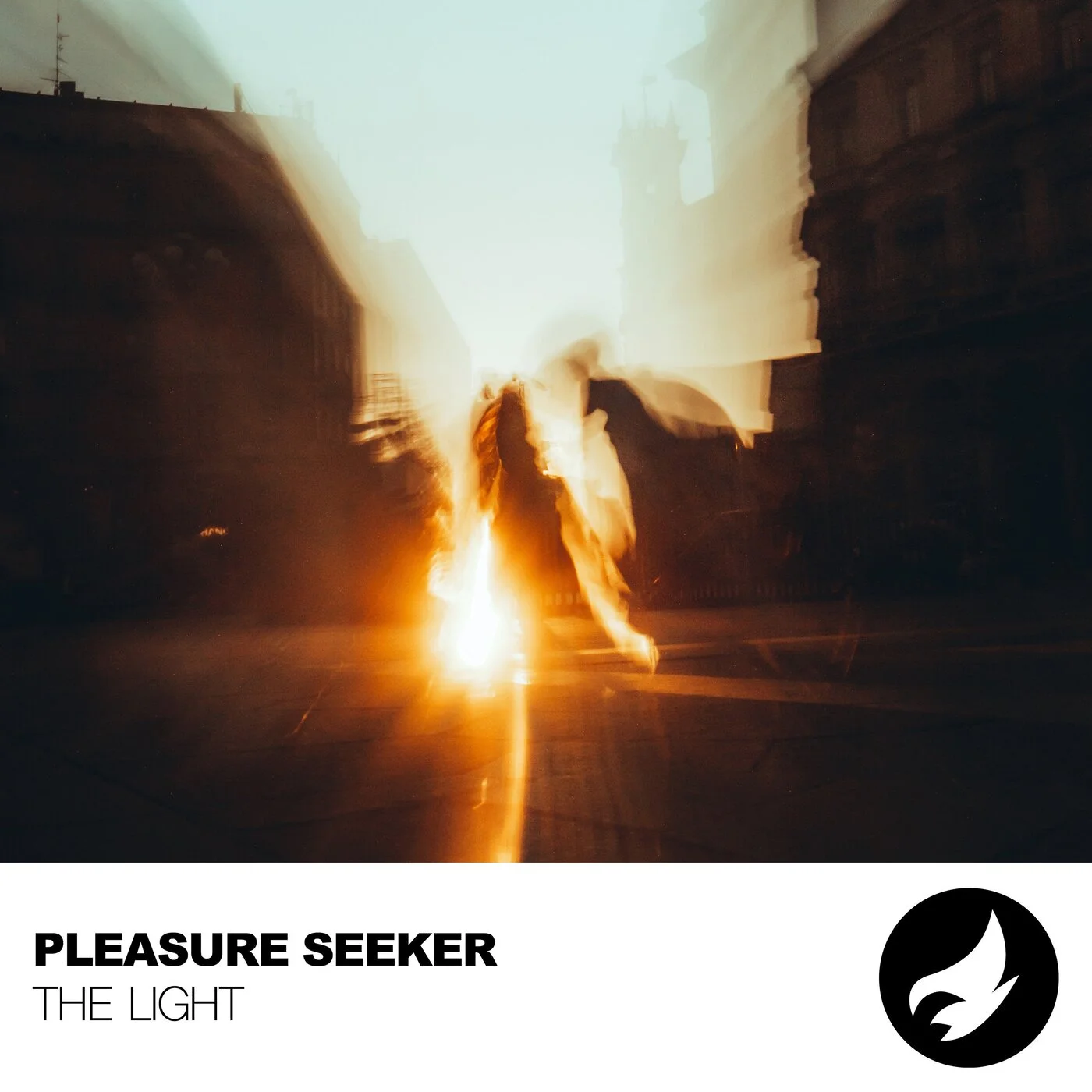
The track’s on a release called Summer Sessions 2025, what if it ended up in a Vegas pool set? Does it still work or does the vibe break completely?
I actually think it could work. If the DJ knows how to read the crowd and pick their moment, the track’s got enough bounce to carry it in a sunny, upbeat setting too. It’s flexible. But yeah, at heart, it’s a track for the after-hours crowd.
Play Records helped launch deadmau5. Did signing with them come with any sense of pressure or were you just focused on doing your own thing?
Honestly, I felt more energized than pressured. Play has real history in the scene, and that gave me confidence the track would be in good hands. I wasn’t trying to chase anyone’s sound, I just wanted to make something I liked and that people could connect with. It’s still surreal they picked this up.
When you’re stuck in a session and nothing’s landing, what do you usually do to snap yourself out of it?
I walk away. Go outside and literally touch grass. Or I’ll hop on the Peloton and let the instructors’ music choices drive the energy, I’ve actually discovered some great house tracks that way! Musically, I’ll switch it up and practice piano or guitar, usually something outside my genre. That shift helps reset my brain. It taps into what they call diffuse thinking, where stepping back actually opens up space for ideas to connect in the background. Honestly, the best ideas usually sneak in when I stop trying so hard.
What’s a piece of production advice you hear all the time that you personally choose to ignore?
“Finish every idea” — or worse, “bang out a full track in an hour.” I get the hustle mentality, but forcing a track just to say it’s done can kill the soul of it. In The Creative Act, Rick Rubin talks about how ideas come through us, and sometimes they need space to evolve. I try to respect that. If something’s not landing, I let it breathe. I’d rather revisit a sketch when it sparks again than force it into something I don’t believe in. Quality and resonance matter more to me than speed.
The US scene jumps on trends fast. Do you keep an eye on what’s current or do you prefer to stay in your own lane?
I keep an eye on what’s happening, but not to chase trends, more to learn from what’s connecting with people and why. Understanding that helps me grow as a producer, but I still try to make music I’d want to play out a year from now, not just what’s hot this weekend.
Your Number One is out now on Play Records