

“If the groove falls apart, the emotion doesn’t land” Hotlap interview
HotLap have built their identity around restraint, trust, and a deep understanding of how records actually behave in a

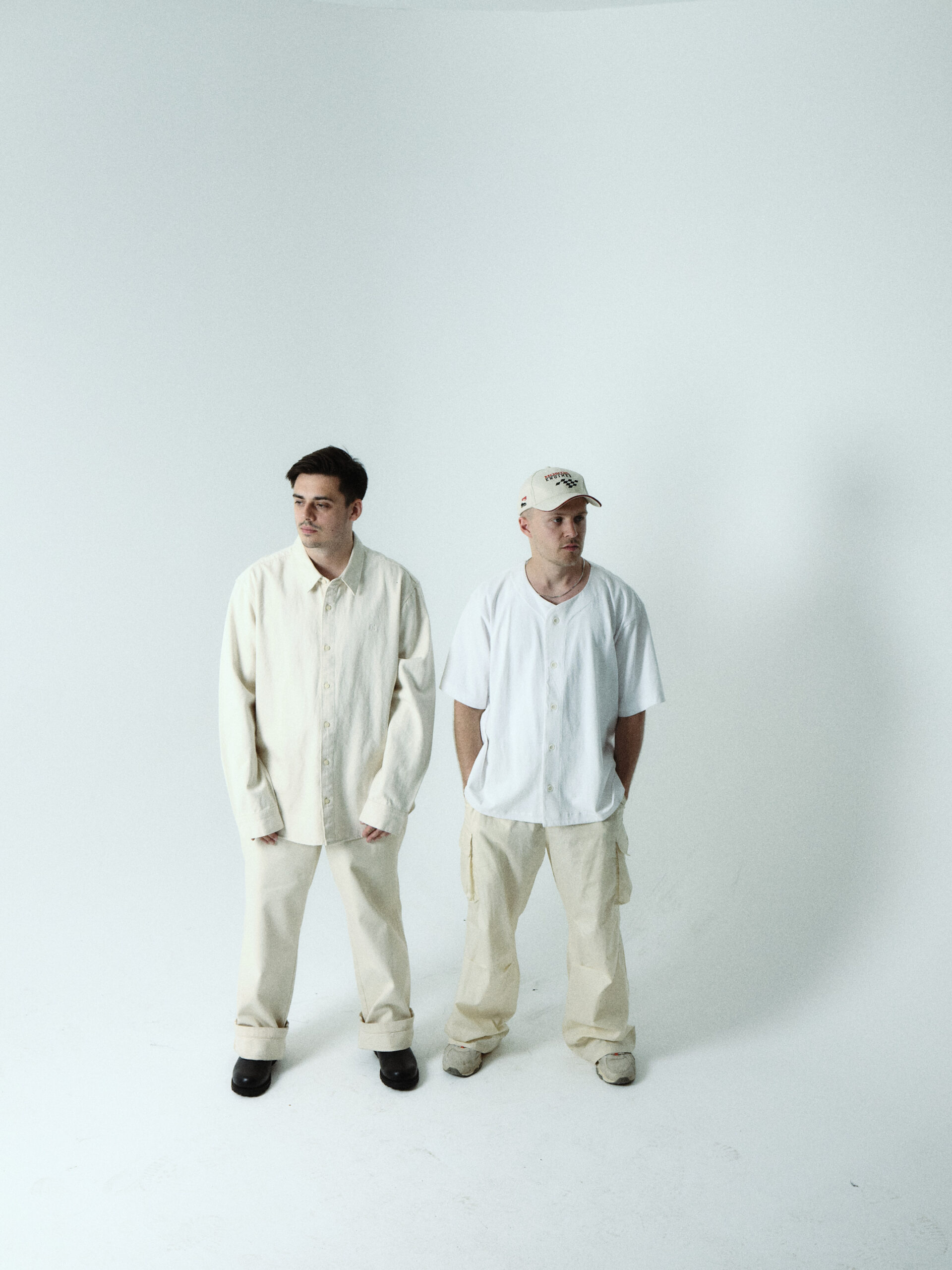
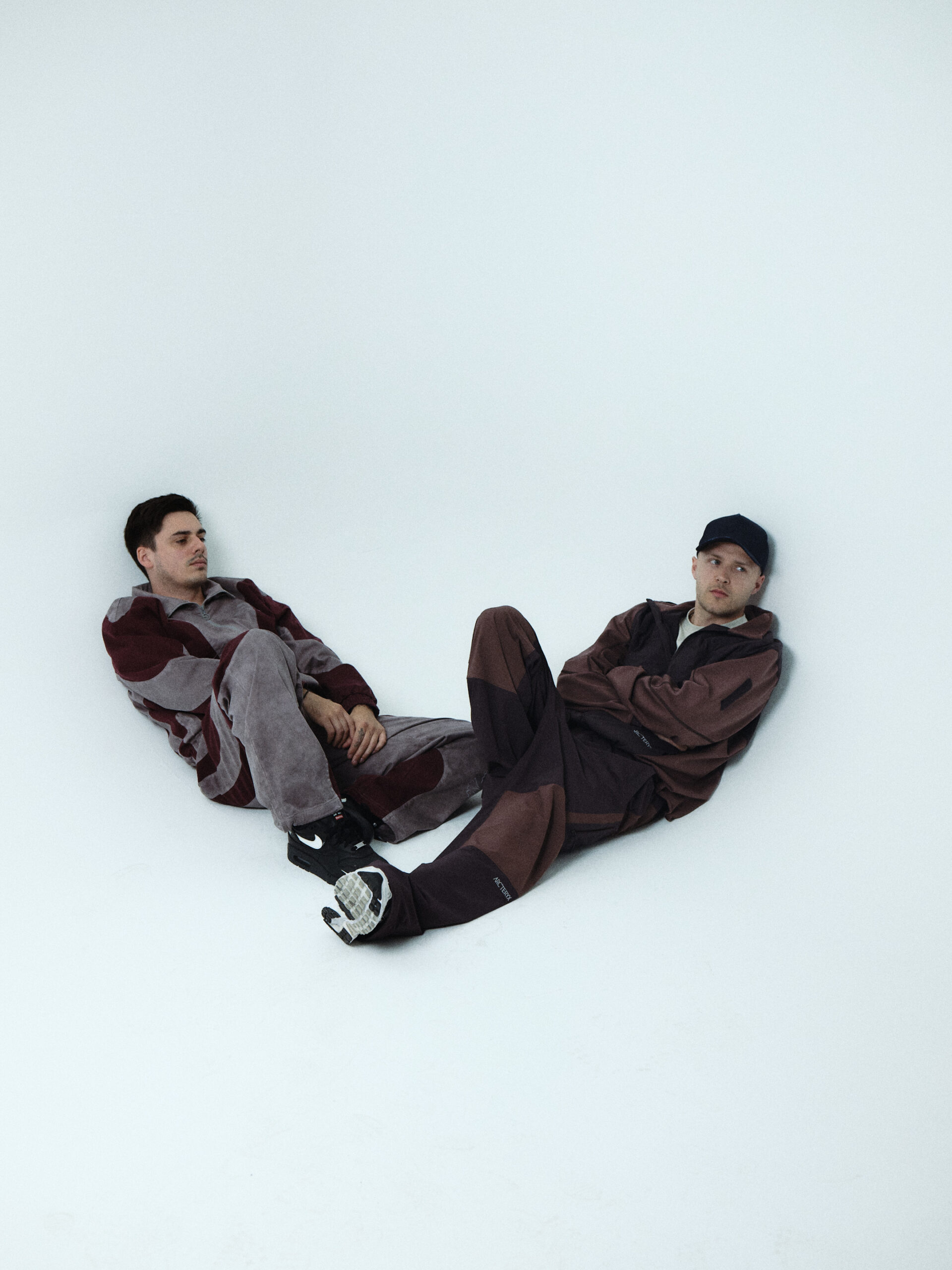
HotLap have built their identity around restraint, trust, and a deep understanding of how records actually behave in a room. Formed from years spent DJing long sets and working across different projects, the duo came together with a shared instinct for groove-led music that reveals itself slowly rather than demanding attention up front. Their productions lean into timing, micro-movement and negative space, shaped less by studio theory and more by how rhythm feels once it is given time to breathe.
Rather than chasing moments or trends, HotLap focus on records that sit comfortably inside extended mixes, the kind that gain weight through repetition and subtle evolution. It is an approach rooted in experience, both behind the decks and in learning when to step back rather than add more. In this conversation, they talk openly about instinct over concept, the value of subtraction, and how their sound has sharpened through learning to say less and trust feel over explanation.
In previous interviews you’ve talked about trusting instinct over concept. How do you recognise when an idea is worth committing to, rather than endlessly refining?
Usually it’s when the idea still feels good after we step away from it. If we come back the next day/week/month and the instinctive reaction is still there, we stop questioning it.
You’ve mentioned that timing and micro-movement matter more than adding layers. What tells you a groove is finished rather than just functional?
When you can mute almost everything and it still feels alive. If the rhythm, bass and a couple of elements are enough to keep you moving, it’s done. At that point, adding more usually just gets in the way.
A lot of your material feels built to sit inside longer DJ narratives rather than jump out immediately. Is that a conscious choice?
It is but it’s also kind of natural to us. We both come from playing and listening to long sets, so we’re naturally drawn to records that unfold rather than announce themselves straight away. We’re not chasing the first thirty seconds, we’re thinking about where the track lives ten minutes into a mix.
When remixing “Feel The Love,” what was the first thing you felt needed space, and what did you know straight away you shouldn’t touch?
We wanted to give the vocal a bit of room to breathe. That was obvious straight away. The emotion and phrasing were already doing the work, so we didn’t want to interfere with that. We almost always prioritise riffs over chords for a more hooky production approach, and this was no exception.
You’ve both worked on projects where vocals are central. As HotLap, how do you decide when a vocal should lead the emotional arc and when it becomes part of the texture?
It depends on what the vocal is saying. If it’s carrying a clear emotional message, we let it lead and build around it. If it’s more about tone or mood, we’re happy to treat it like an instrument and let it sit inside the groove. The decision usually makes itself clear by instinct of what would work live.
You’ve talked about removing elements as a creative act. Is there a point where subtraction becomes harder than starting fresh?
Definitely. There’s always a moment where you’ve invested time into an idea and it’s emotionally harder to let it go. But we’ve learned that if removing something makes the track feel clearer or stronger, that discomfort is usually a sign you’re doing the right thing.
Touring exposes how tracks behave outside the studio. Have subtle elements ever translated more strongly in a room than you expected?
All the time. Small groove changes or a bass movement you barely notice in the studio can completely change the feel in a club. Those moments have reinforced for us that nuance matters much more than big gestures.
Your sound sits between rhythmic focus and melodic progression. When those pull in different directions, which one wins?
Rhythm almost always wins. If the groove falls apart, the emotion doesn’t land. Melody is important, but it has to sit inside the rhythm rather than override it.
With electronic music moving quickly through styles and references, how do you avoid internalising external expectations?
We try to stay close to our own process. If something excites us in the studio, that matters more than whether it fits a moment. External noise usually creeps in when you stop trusting your taste, so we try to keep that instinct sharp.
Looking back at your work before HotLap, what habits did you have to unlearn?
Over-explaining ideas. In the past, we might have added things to make a point clearer or more impressive… Or maybe just to fill up the spectrum / space. With HotLap, we’ve learned to say less and let the feel speak for itself. That shift has been huge for us.
Follow HotLap on Instagram: https://www.instagram.com/wearehotlap/