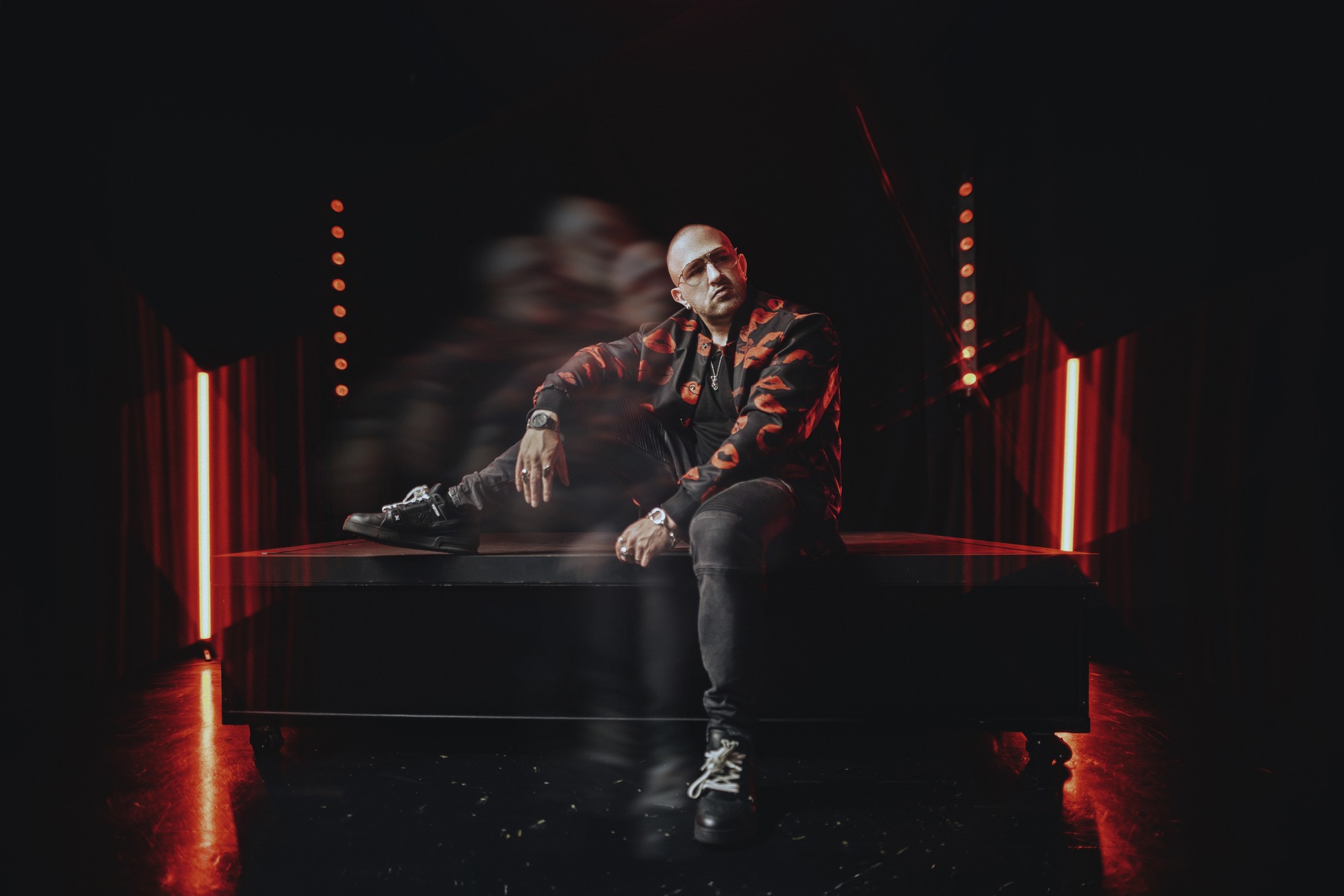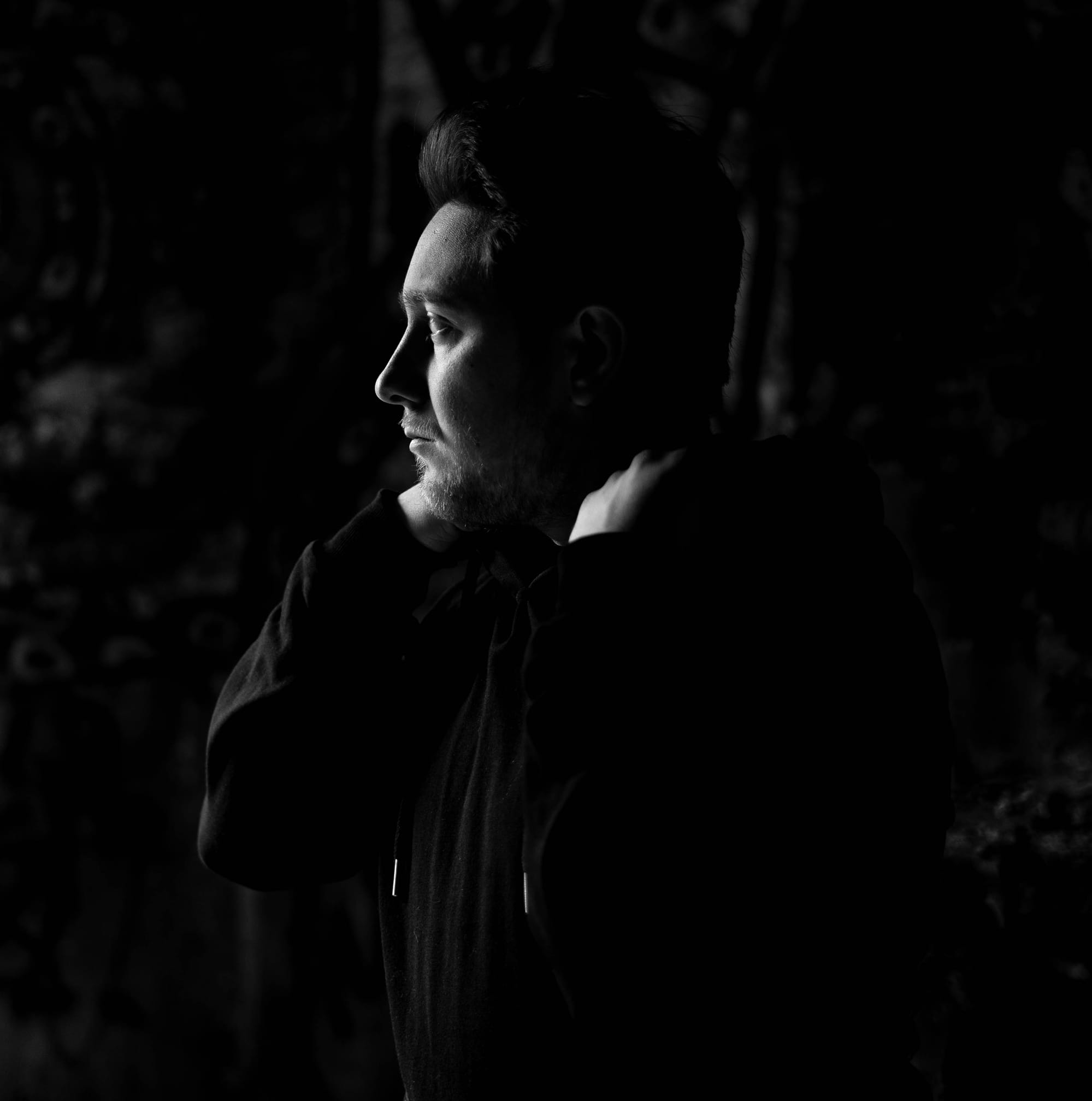

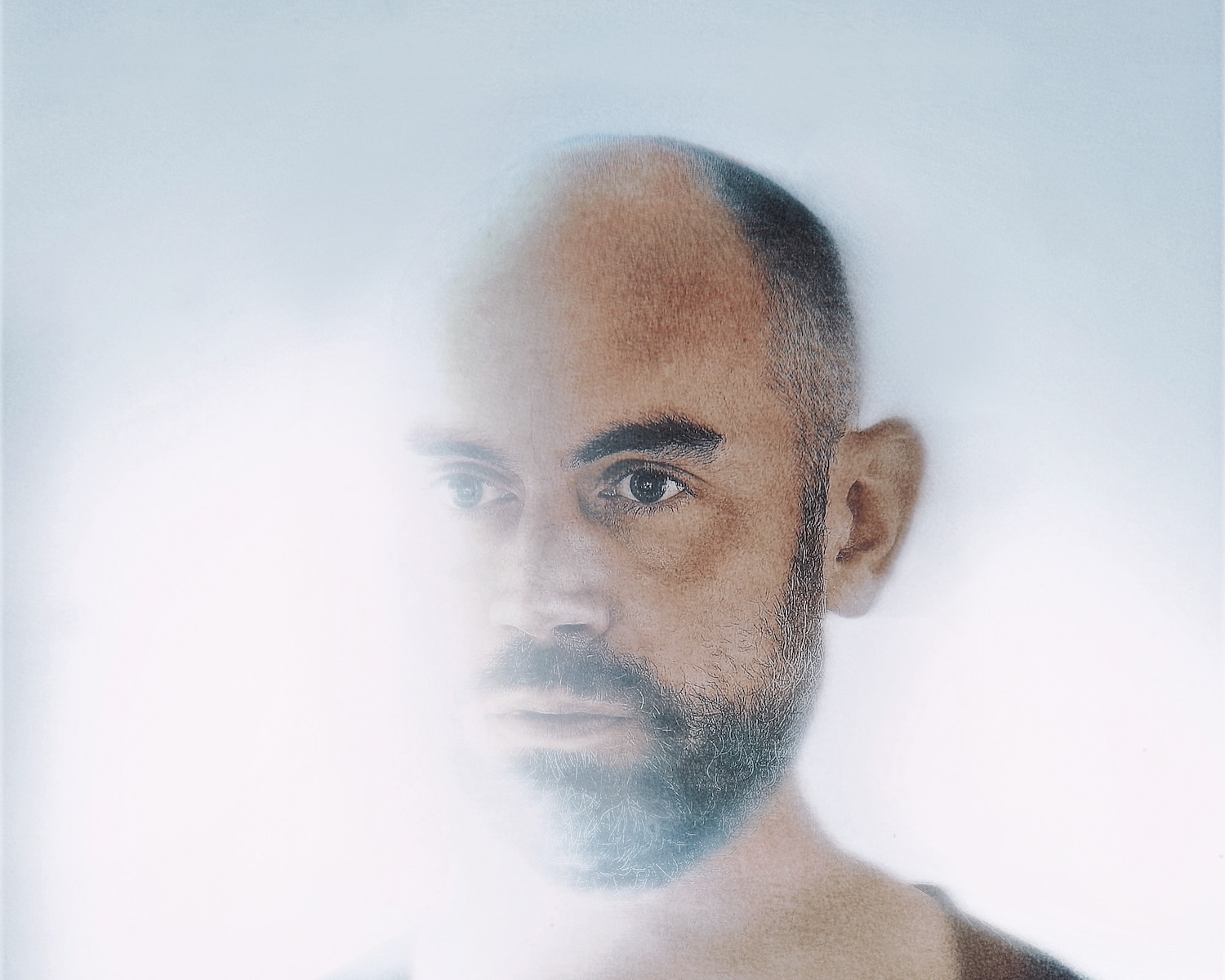

“I want the listener to see their own movie” Bazalte interview
BAZALTE’s debut Genesis EP finds balance between precision and feeling. Across three tracks, it weaves elements of deep house,

BAZALTE’s debut Genesis EP finds balance between precision and feeling. Across three tracks, it weaves elements of deep house, melodic house, and progressive into a sound that’s clean and deliberate, yet emotionally charged.
Throughout the EP, BAZALTE draws from artists like Solomun, Keinemusik, and Tale of Us, while echoing the cinematic restraint of Ryuichi Sakamoto and Armand Amar. The result is a debut that feels clear-headed but human: music that speaks through structure and space as much as melody.
We caught up with him to find out more.
Your sound seems to explore the point where structure meets emotion. How do you balance technical precision with the more intuitive, human side of your music-making?
Electronic music is born from structure : repetition, rhythm, gradual evolution. But emotion appears when I stop overthinking and trust instinct. For me, the human side is choosing a sound that “feels right,” even if I can’t rationalize why. Precision builds the skeleton. Intuition gives it breath.
The EP blends electronic production with vocal and cultural textures from different traditions. What drew you to those particular voices and how do you approach integrating them into a modern framework?
I was drawn to Mediterranean voices, Greek, Armenian, languages that feel ancient, almost eternal. They sound like echoes rising from the sea at night. I love to place these warm, ancestral textures against colder beats, I love the contrast. The music then lives in a present space between an immemorial past and a futuristic horizon.
There’s a strong sense of restraint in your work, the music never overstates itself. Is that a conscious artistic decision, or something that emerges naturally in your process?
It’s conscious, but it’s not about restraint for its own sake. I’m searching for beauty, and beauty is balance, a kind of inner harmony. I don’t try to shock or prove anything. I try to create a space where time suspends and the listener can breathe, like a spiritual journey shaped by sound.
You reference artists known for both their cinematic scope and subtlety. How do you interpret the idea of “cinematic” in your own productions?
Cinema is often the first image in my mind when I compose. For Genesis, I imagined myself on a Mediterranean shore at night, warm summer air, waves in the dark, a mystical atmosphere. I start from a scene, a setting, an emotion. Then, I build sound as a film without pictures. In the end, I want the listener to see their own movie, even if it differs from mine. I considerate sound as a portal.
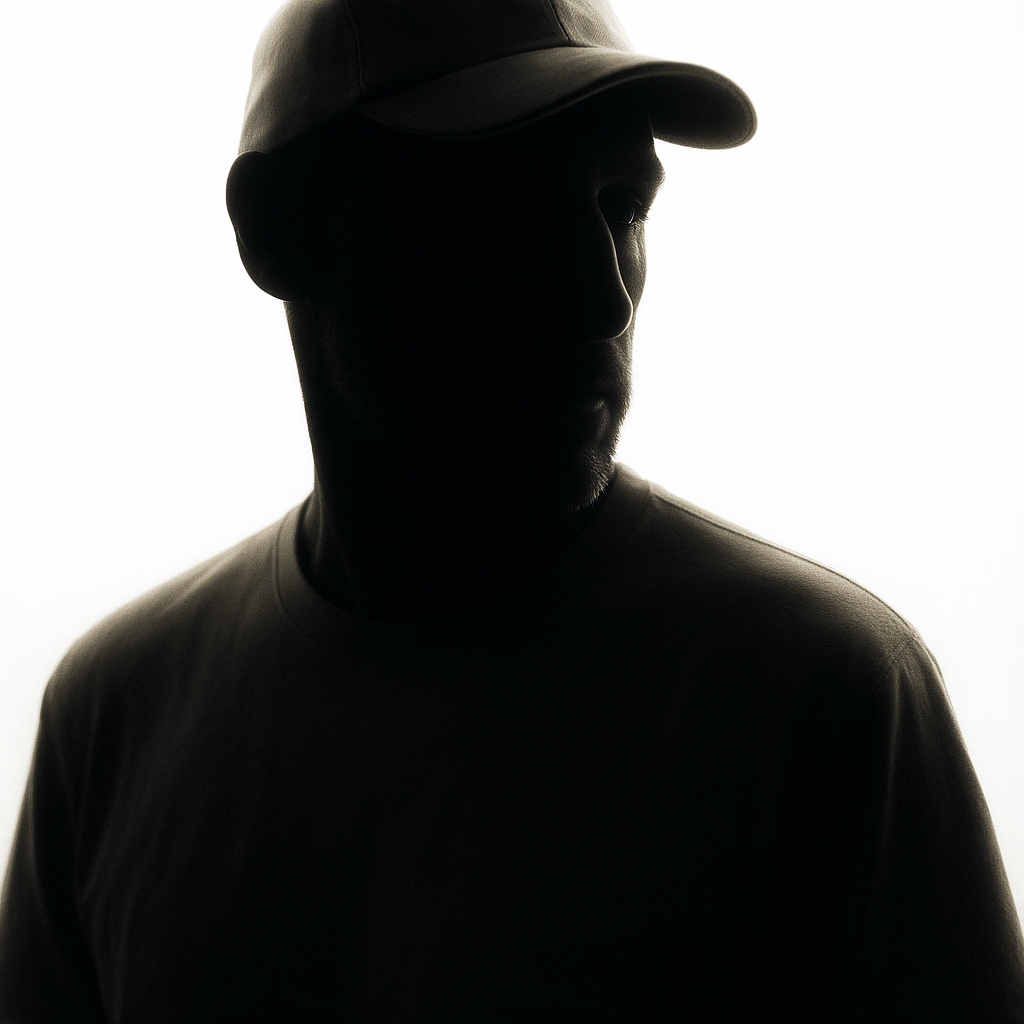
The title Genesis suggests both a beginning and a creation story. Beyond being your debut, does the concept hold any deeper personal or thematic meaning for you?
Yes. Genesis came at a moment when I felt a deep need to create something true. The world feels fragmented, between modernity and ancestry, entertainment and meaning, noise and silence. Even the electronic scene drifts toward spectacle more than communion. Genesis is a statement: another chapter is possible. One where we leave the phone in the pocket, surrender to sound, and share a moment of pure presence, simple.
Many producers today chase density and impact, while your sound seems to value space and clarity. What do silence and negative space mean in your compositional approach?
Silence is not absence. it is space. It’s the air where the sound can breathe. Like a sculptor removing matter to reveal form, I carve silence to let the music exist more clearly. Contrast is powerful: past against future, minimal against cinematic, loud against still. Some emotions can only emerge from that tension. I really feel interested in this frontier.
Your music feels global yet introspective, almost like it exists outside a specific scene. How do you see yourself fitting within, or apart from, current electronic music trends?
I don’t think in terms of scenes. Maybe that makes it harder to be playlisted or immediately categorized, but I’m fine with that. I don’t produce to fit into a niche. I produce to express a vision that feels honest. If my music doesn’t sit neatly in a trend, it’s not because I reject them; it’s because I’m aiming for something that can stand on its own, outside the cycle of what’s fashionable this month.
Now that Genesis defines the first chapter of your sound, where do you see that evolution leading next… do you imagine building on this palette or shifting direction entirely?
I’m currently preparing a one-hour live set with a very specific stage presence — something symbolic, immersive, almost ritualistic. From there, I want to keep exploring sounds from both the past and the future, maintaining that tension and cultural syncretism that defines Genesis. The goal is bigger than a style: it’s to deliver a message that music can still be a vector for tolerance, peace, and human connection — beyond trends, beyond borders, beyond differences.
Bazalte – Genesis is out now